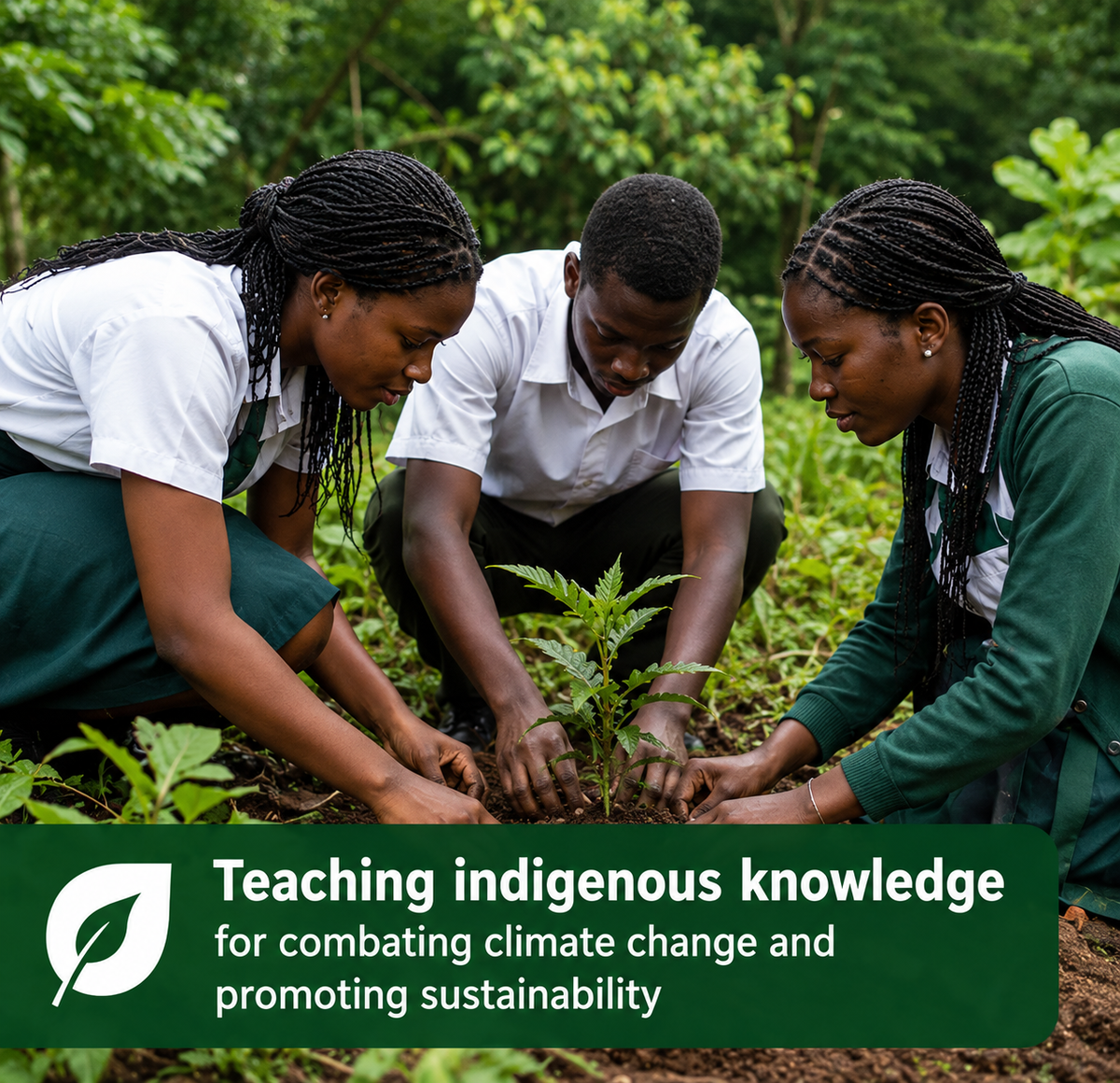
African-centredness
The framework takes themes and concepts from global citizenship, sustainable development, peace education, human rights and related fields and situates them within Africa's historical and contemporary development challenges.
Global Learning for Africa
Explore the Global Learning for Africa pedagogy, why it matters, and the ten themes that shape the framework.
What is the GLA approach?
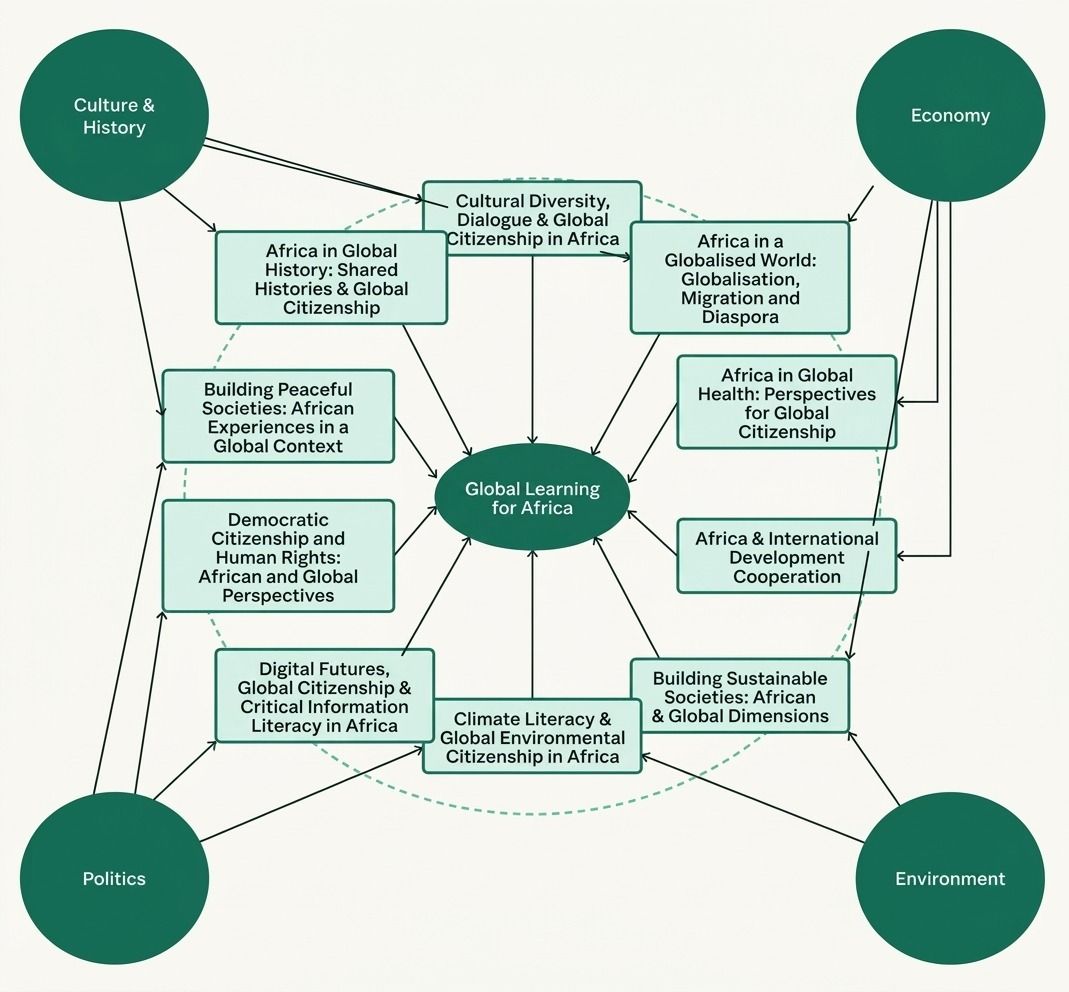
The GLA pedagogical approach is a unified ten-theme framework for facilitating an African-centred teaching of intercultural and global competence in schools.
The themes are interconnected and bring together areas such as culture, history, politics, environment and economy. The framework is designed for whole-school and cross-curricular implementation and responds both to historical developments and contemporary global challenges, including misinformation and hate speech perpetrated using social media and Artificial Intelligence.
Each theme is supported by a curated set of topics that can be used across the school curriculum.
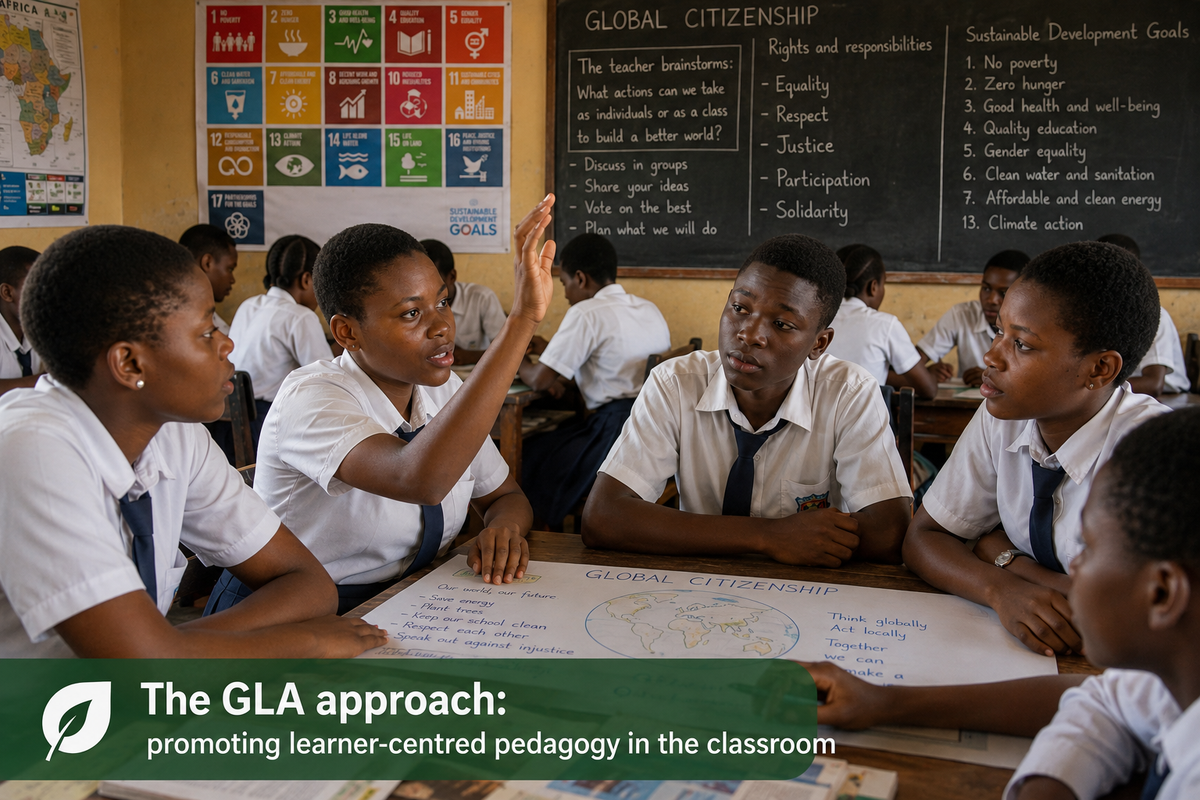
Why the GLA approach?
The GLA approach responds to the need for contextualised curricula by placing Africa, including Sub-Saharan Africa and North Africa, within broader discussions of historical and contemporary global development.
It uses African histories, cultures, experiences and futures as productive entry points for teaching sustainability, peace, social justice, democracy, human rights, information and media literacy, and related areas of global citizenship.
The aim is to help learners develop a sense of belonging to a global community grounded in shared human experiences and diversity, while using the African experience in the global world as a meaningful starting point.
What makes it distinctive
The framework takes themes and concepts from global citizenship, sustainable development, peace education, human rights and related fields and situates them within Africa's historical and contemporary development challenges.
The approach encourages learners to critically examine unequal power relations, global injustice and inequality, including the historical origins of stereotypical and negative narratives about Africa and other developing regions.
GLA is designed to work across school culture, governance, teaching practice, extra-curricular activities and professional development, while connecting global learning themes across the Social Sciences, Humanities and STEM.
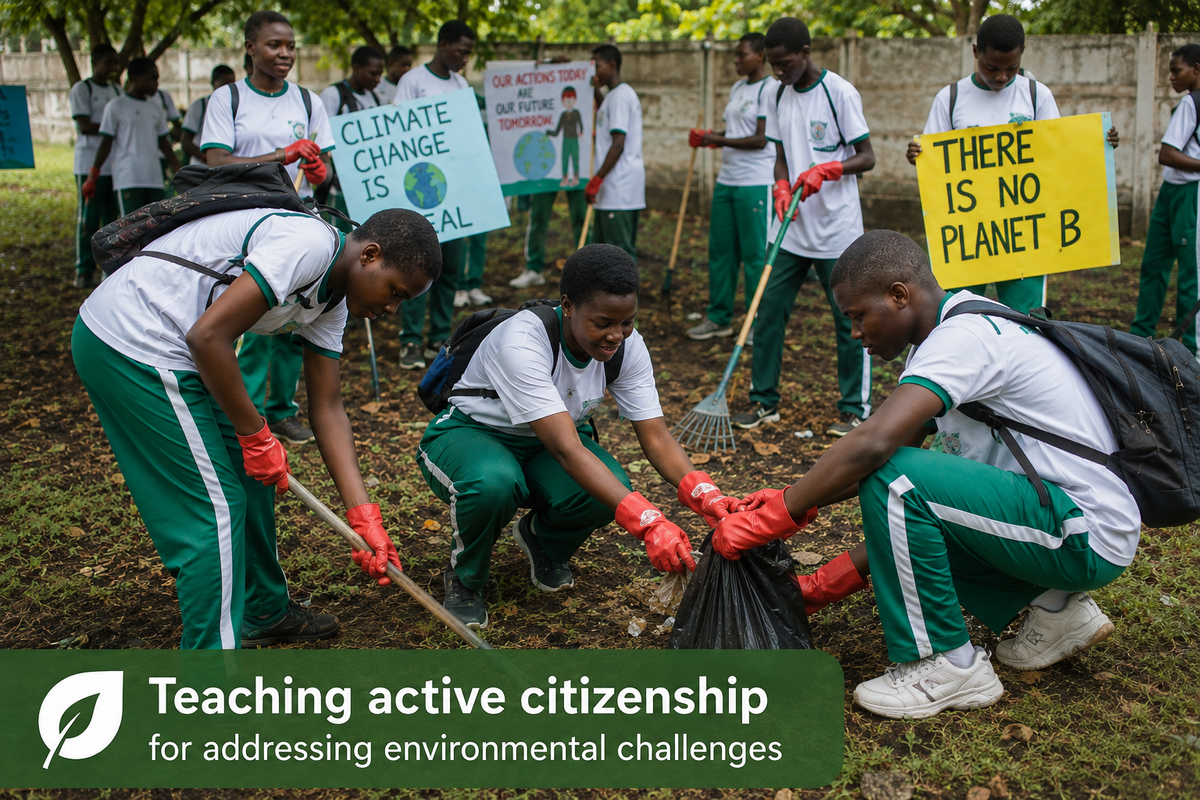
GLA themes
Africa in Global History: Shared Histories and Global Citizenship
Africa in a Globalised World: Globalisation, Migration and Diaspora
Cultural Diversity, Dialogue, and Global Citizenship in Africa
Climate Literacy and Global Environmental Citizenship in Africa
Building Sustainable Societies: African and Global Dimensions
Building Peaceful Societies: African Experiences in a Global Context
Democratic Citizenship and Human Rights: African and Global Perspectives
Digital Futures, Global Citizenship & Critical Information Literacy in Africa
Africa in Global Health: Perspectives for Global Citizenship
Africa and International Development Cooperation